How to Make a Stick in Minecraft

If you are just starting, the stick in Minecraft is one of the most important items you will ever craft. Although they look simple, sticks are used in dozens of crafting recipes and are the foundation for nearly all tools and weapons in the game.
This guide will cover everything, from the simple crafting steps to alternative sources and every key use, helping you master how to make a stick in Minecraft.
What Is a Stick in Minecraft
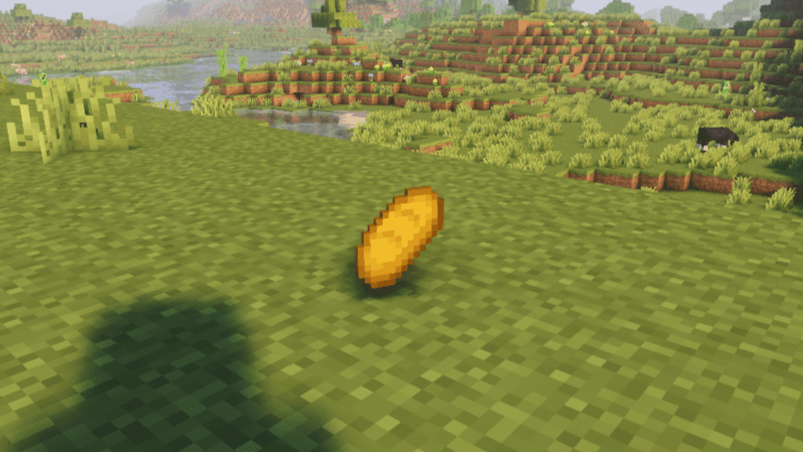
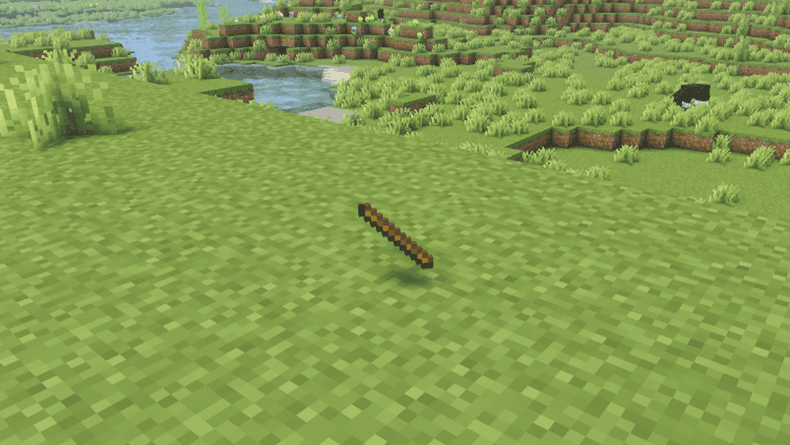
A stick in Minecraft is a basic crafting ingredient essential for survival progression. Sticks are lightweight and stack up to 64 in your inventory. They cannot be placed in the world like blocks, but are needed to unlock the most basic tools, weapons, and utility items.
Sticks are one of the most crafted items in the entire game, making them a vital material. Their importance is clear because they are the central component in the crafting path for your first axe, sword, and torches. Mastering the simple crafting recipe for sticks is the key to mastering the game. Sticks are an essential material; otherwise, you cannot craft iron tools or any advanced material.
Collecting the Materials Required to Craft Sticks
Before you can craft sticks, you need wood in the form of wooden planks. The primary path for this material is simple: find a tree.
To begin, log wood is obtained by finding any tree and breaking its log blocks with your hands or an axe. Next, you must convert those logs into wood planks. One log converts into four planks in your crafting menu. These wood planks are the material you need to craft sticks.
An important alternative material is bamboo. In newer Java Edition versions, bamboo can be converted into bamboo planks, which can then be used to craft sticks just like wooden planks; you can use the variants interchangeably. Another source for obtaining sticks is dead bushes, which drop sticks when broken in desert biomes, giving you more sticks without crafting. You may also collect some stones by accident.
Step-by-Step Process to Craft Sticks Using the Crafting Menu
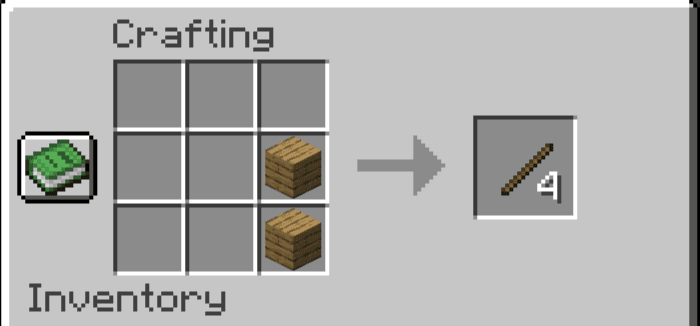
The crafting recipe for sticks is one of the easiest to remember. It requires only two planks of any wood variant.
Opening the Crafting Menu or Crafting Table
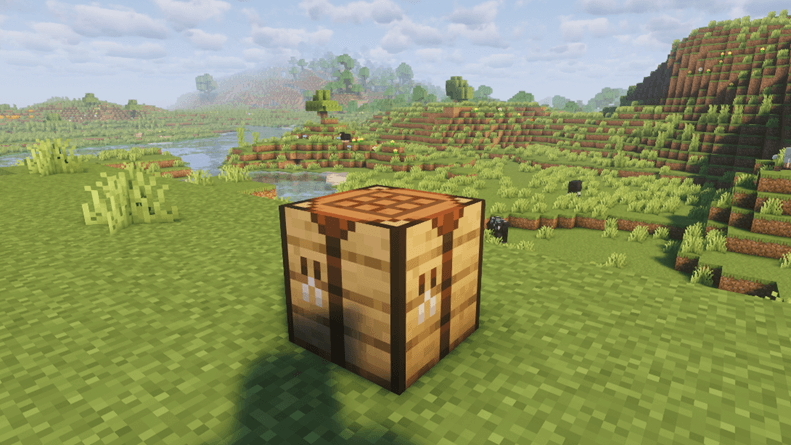
To begin the process of crafting sticks, you need to open a crafting interface. You can use the small 2x2 crafting grid found inside your inventory (by pressing the E key on Java Edition or console equivalent) or a full 3x3 crafting table. The basic crafting interface in your inventory will easily handle this simple recipe, which produces four sticks.
Placing Wooden Planks in the Crafting Grid
The pattern for how to make a stick in Minecraft is two wooden planks stacked vertically. Open the crafting interface and place one wood plank in one grid slot, and a second wood plank directly below it in the grid. You can use other variants of planks (oak, spruce, bamboo planks, etc.), and they will craft sticks the same way; you can use variants interchangeably.
Collecting the Output
Once the two planks are placed in the vertical pattern, four sticks will appear in the output slot of the crafting menu. Click or drag the four sticks into your inventory. Remember that two wood planks will always craft four sticks, making it easy to craft sticks in bulk for all your recipes.
Alternative Ways to Obtain Sticks Without Crafting
While crafting is the main method for sticks, you can get additional sticks for free by exploring the world.
- Dead Bushes: Finding and breaking dead bushes in dry biomes will cause the bush to drop sticks. This is a great source for obtaining sticks early in the game without using up wood planks.
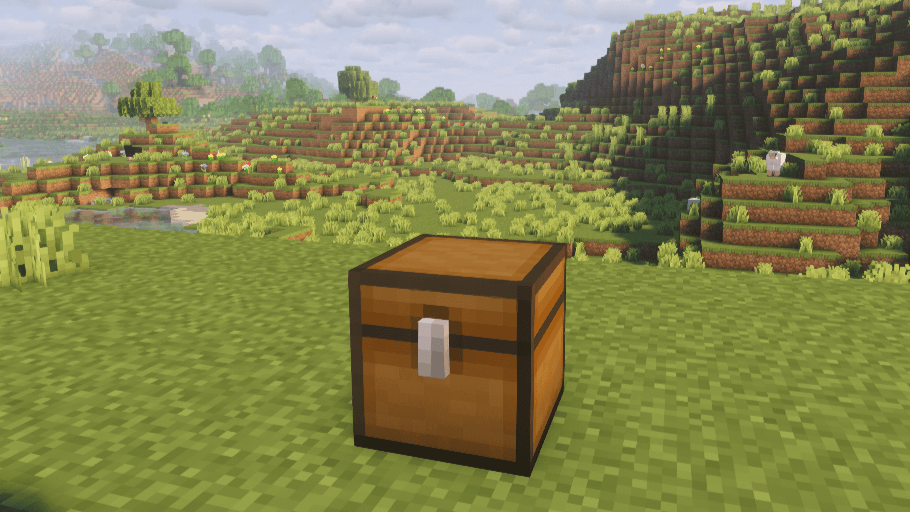
- Bonus Chests: When you start a new world, if you choose the bonus chests option, one will often contain a small supply of sticks and other basic materials to help with your early game survival.
- Village Houses: Exploring villages is a great way to get added sticks. Loot chests in village fletcher houses, toolsmith houses, and cartographer houses will often contain some sticks inside. The average yield is small, but they are free sticks obtained without using any wood.
Trading Sticks to Villagers
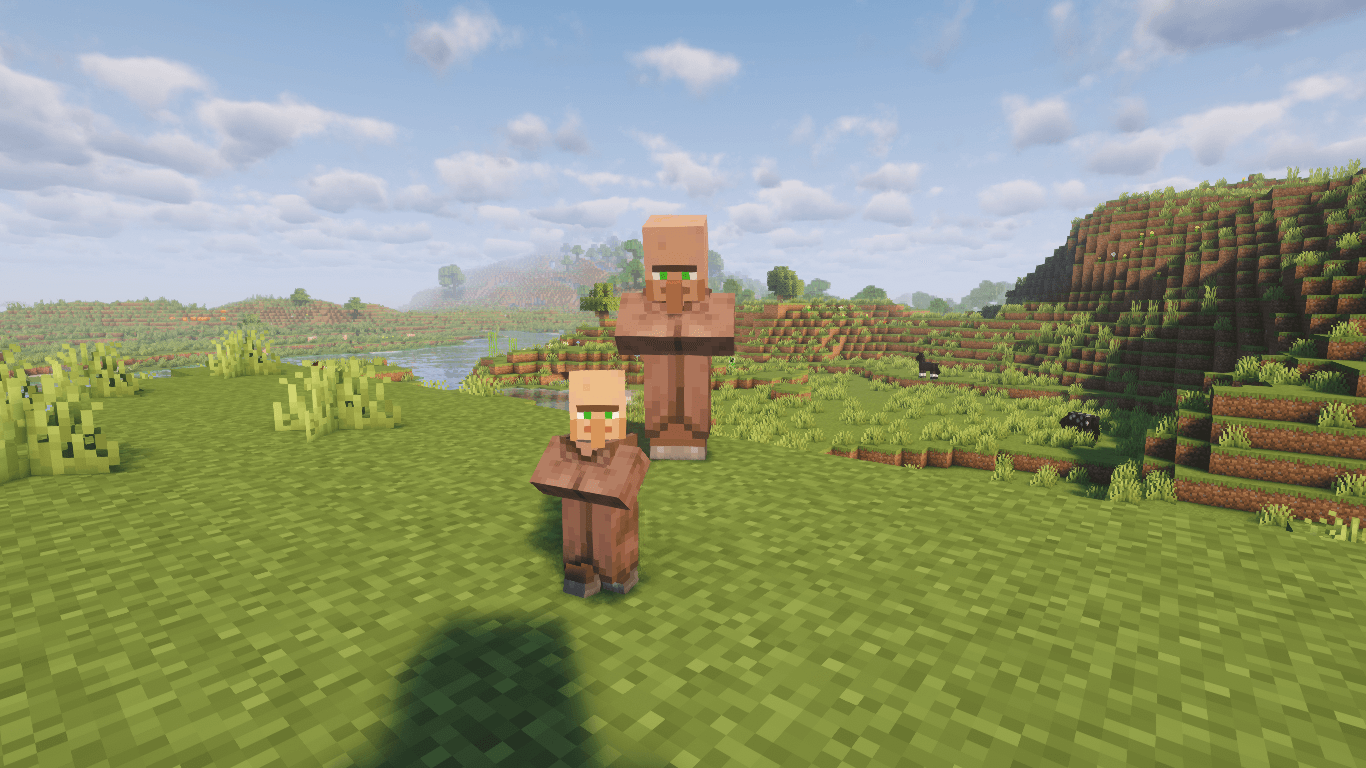
Sticks are not just for crafting; they are an important trading currency. The Fletcher Villager, who works in the village fletcher houses, will buy large amounts of sticks from you for emeralds.
This is often the easiest and fastest way to obtain emeralds in the game. You can grow large bamboo farms or chop down many trees to get wood, convert it all into sticks, and then trade them to the Fletcher Villager. This trade is always available and provides a reliable income of gold and emeralds.
Differences Between Java Edition and Bedrock Edition
The core recipe for how to make a stick in Minecraft is consistent across all editions. In both Java Edition and Bedrock Edition, stacking two planks vertically will always craft four sticks. You can use variants interchangeably in the crafting grid.
However, slight differences exist, mostly concerning loot tables. The frequency with which dead bushes drop sticks or the average yield of added sticks from loot chests will vary slightly between Java Edition and Bedrock Edition. The introduction of bamboo as a material for crafting sticks became universal in later game versions, so whether you play on Java Edition or Bedrock Edition, the main crafting ingredient and pattern are the same. This pattern has been unlocked for all players.
Common Crafting Recipes That Require Sticks
Sticks are the backbone of survival progression. The wide variety of crafting recipes that need sticks shows why they are considered a core material.
Tools
All tools are built on a base of sticks. You need sticks to craft every type of pickaxe, axe, shovel, and hoe. For example, to craft iron tools, you stack iron ingots on top of two sticks.
Weapons
Sticks are just as important for combat. You need sticks to craft swords, the bodies of bows, and the shafts of arrows. They are also required for crafting a tripwire hook (extra tripwire hooks are useful for traps).
Utility Items
Beyond tools and weapons, sticks are critical for utility. They are needed to craft torches, ladders, fences, rails, and to craft barrels. For example, you need sticks to craft the torches you place to keep mobs away. Sticks have many other uses, including being the shaft for some tipped arrows you can make.
Inventory Management and Gameplay Mechanics
The stick in Minecraft is a simple item, but knowing how it behaves helps with inventory management. Sticks stack up to 64 in your inventory slot. Since they are cheap to craft in bulk, you should always carry a large supply.
An important gameplay mechanic is that the Fortune I enchantment applied to a tool used to break dead bushes will increase the number of sticks that drop. This will result in longer drops of more sticks from the bush. You also need to watch the sticks you drop because they fall more slowly than any other item. Even though some players treat sticks as junk loot, they are far too vital to discard. They will fall from certain heights without breaking.
Villages and Structures with Sticks
Sticks naturally generate inside sticks of loot in various structures across the world. Exploring villages is the fastest way to get free sticks without crafting.
Always look for loot chests in specialized village buildings. Village Fletcher houses usually have the highest amount of sticks because Fletcher is the bow and arrow specialist. Toolsmith houses and cartographer houses also frequently contain sticks. The average yield of sticks will sometimes place sticks in the second place slot in terms of chest frequency, right behind cobblestone.
Fun Facts About Sticks in Minecraft
Did you know that sticks are one of the most crafted items in Minecraft history? Even though some people call them junk loot, nearly every player's first tool required sticks. The simplicity of the stick in Minecraft is what makes the game possible.
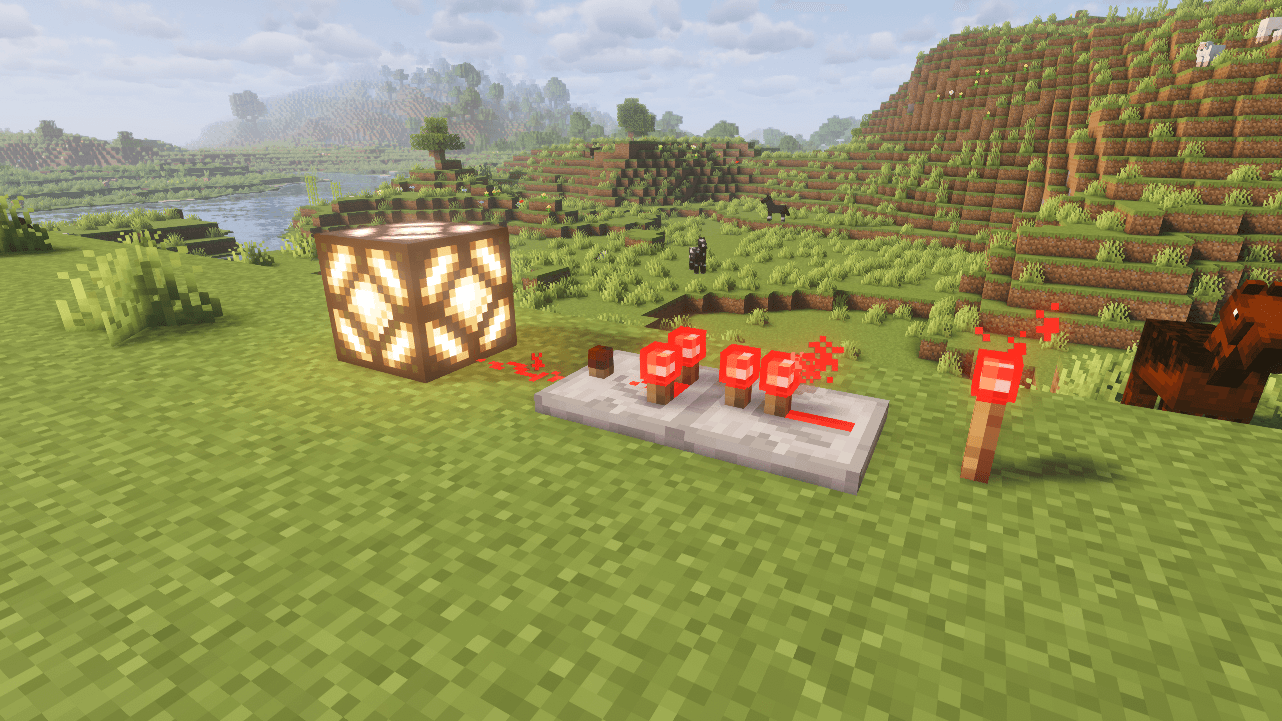
In the Minecraft Education Edition, sticks are combined with colored powders to create special torches. For example, a stick can be combined with red potassium chloride to create a red torch, or with blue mercuric chloride to create a blue torch. You can also use purple tungsten chloride or orange cerium chloride to create other uses for torches in green and purple. This brushing of colors onto the torches is a unique way to use sticks. Sticks often hold the third-place slot in the game's list of most obtained items after stone.
Conclusion
Mastering how to make a stick in Minecraft is the first step toward mastering the game. The simple recipe of two planks to craft four sticks makes it easy to get this vital material.
Remember to use alternative sources, like dead bushes and bonus chests, for added sticks in the early game. Also, the Fletcher Villager will buy your sticks for gold and emeralds. Because sticks are the base for all tools, weapons, torches, and utility items, they are the backbone of Minecraft crafting. Now go craft sticks and start building your world.